major driver.
Symptoms, risk, screening and diagnostic confirmation
Detect Anal Cancer is about choosing the right test for the right risk.
An anal cancer detection guide covering HPV, anal bleeding, lumps, pain, anal cytology, high-resolution anoscopy and biopsy.
inspection and DRE matter.
high-resolution anoscopy in high-risk screening.
confirms cancer or HSIL.
Brief outline
What anal cancer means.
Anal cancer is usually squamous cell carcinoma related to HPV. Detection is symptom-led for most people, with targeted screening in selected high-risk groups.
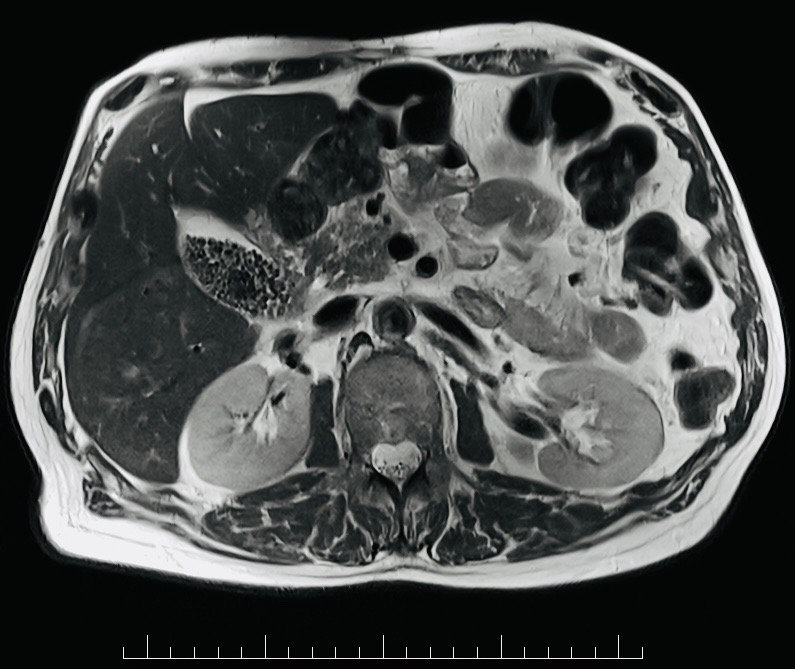
Detection frame
Screening is for people without symptoms. Diagnosis is for symptoms, abnormal examination, family history, imaging findings or abnormal labs. The same test can be sensible in one setting and misleading in another.
Do not ignore
Symptoms and signs not to ignore.
Risk and genetics
Demographics, risks and genetics.
Screening
Who should actually be screened?
There is no universal average-risk screening. Some high-risk groups use anal cytology/HPV testing and high-resolution anoscopy pathways.
Inspection and digital rectal exam
Essential first step.
Anal cytology/HPV testing
Used in some high-risk programs.
High-resolution anoscopy
Targets suspicious lesions.
Biopsy
Confirms HSIL or cancer.
MRI/PET-CT/CT
For confirmed cancer.
Hemorrhoid assumption
Hemorrhoids do not exclude cancer.
Images, labs and tissue
Useful tests and what they can miss.
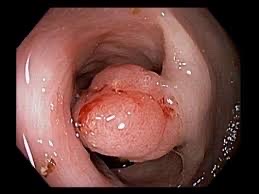
Detection usually needs a chain: suspicion, imaging or lab triage, tissue or cytology when needed, then pathology and molecular testing where it changes management.
Pros, cons and controversy
Benefits, harms and the false-positive problem.
Anal screening is evolving. The strongest practical message is not to dismiss persistent anal bleeding or a lump as hemorrhoids without examination.
Sources and trials