USPSTF age range for eligible high-risk adults.
Low-dose CT, nodules, PET-CT and biopsy
Lung cancer screening works only for the right risk group and the right follow-up pathway.
Low-dose CT can reduce lung cancer mortality in eligible smokers, but it also finds many nodules that are not cancer. Symptoms still need diagnosis, not a routine screening appointment.
minimum smoking exposure in USPSTF screening criteria.
low-dose CT is the screening test, not chest x-ray.
bronchoscopy, EBUS or CT-guided biopsy confirms diagnosis.
Brief outline
Lung cancer includes NSCLC and small cell lung cancer.
Non-small cell lung cancer includes adenocarcinoma, squamous cell carcinoma and large-cell patterns. Small cell lung cancer is usually faster-growing and strongly smoking-related.
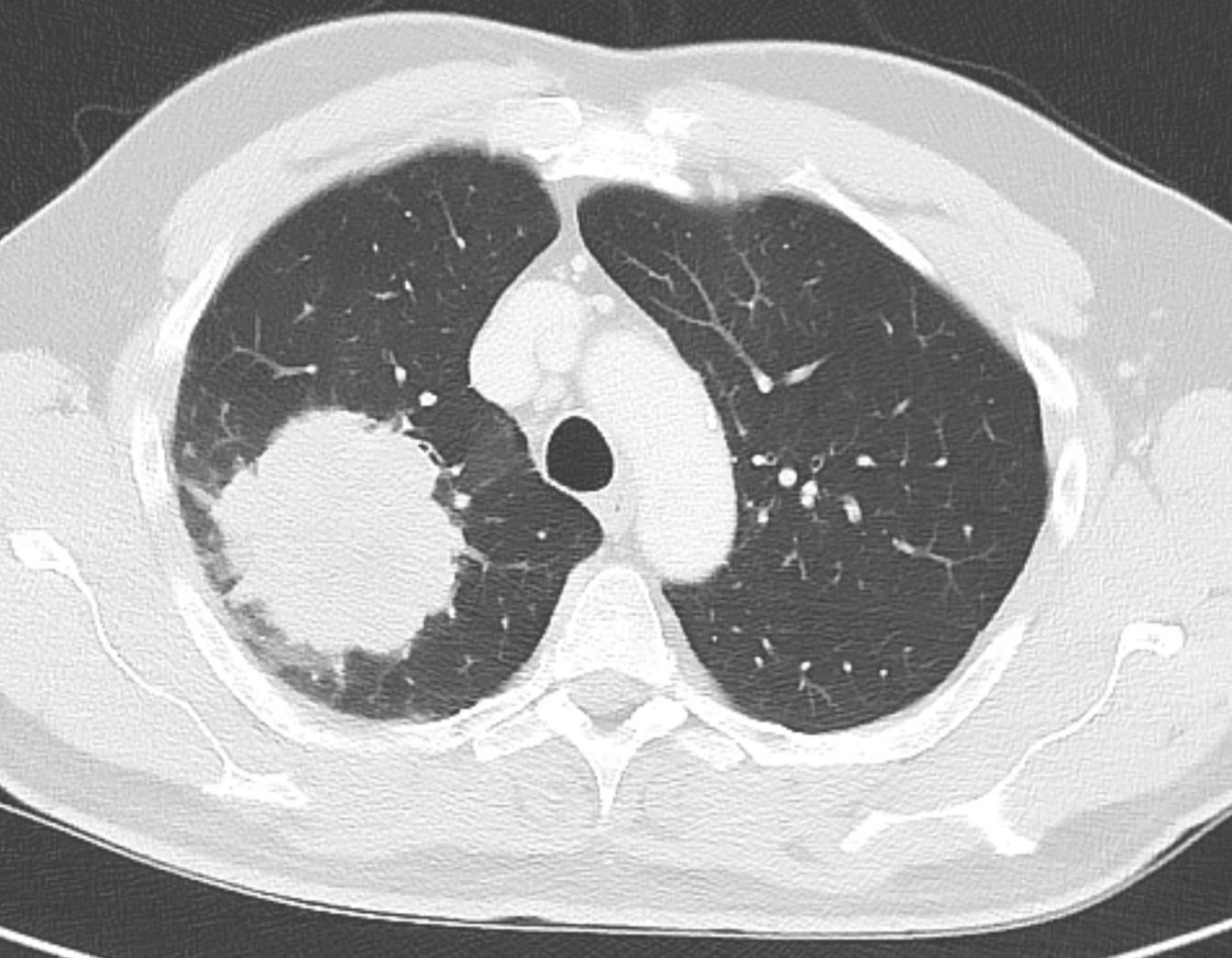
Detection frame
Detection has two tracks: screening high-risk smokers with low-dose CT, and diagnostic workup of symptoms or incidental nodules.
Do not ignore
Do not wait if symptoms persist.
Risk and genetics
Smoking dominates risk, but is not the whole story.
Screening
Low-dose CT is the evidence-based screening test.
USPSTF recommends annual low-dose CT for adults 50-80 with at least 20 pack-years who currently smoke or quit within 15 years, stopping when risk/fitness changes. Criteria differ by country.
Low-dose CT
Finds earlier lung cancers in eligible high-risk adults.
Chest x-ray
Not recommended for lung cancer screening.
PET-CT
Assesses metabolic activity and metastatic disease.
Bronchoscopy and EBUS
Samples central lesions and lymph nodes.
CT-guided biopsy
Useful for peripheral nodules; pneumothorax is a known risk.
Sputum, breath, saliva and blood tests
Interesting research, not replacements for LDCT in eligible people.
Images, labs and tissue
Nodules need risk-based follow-up, not panic.
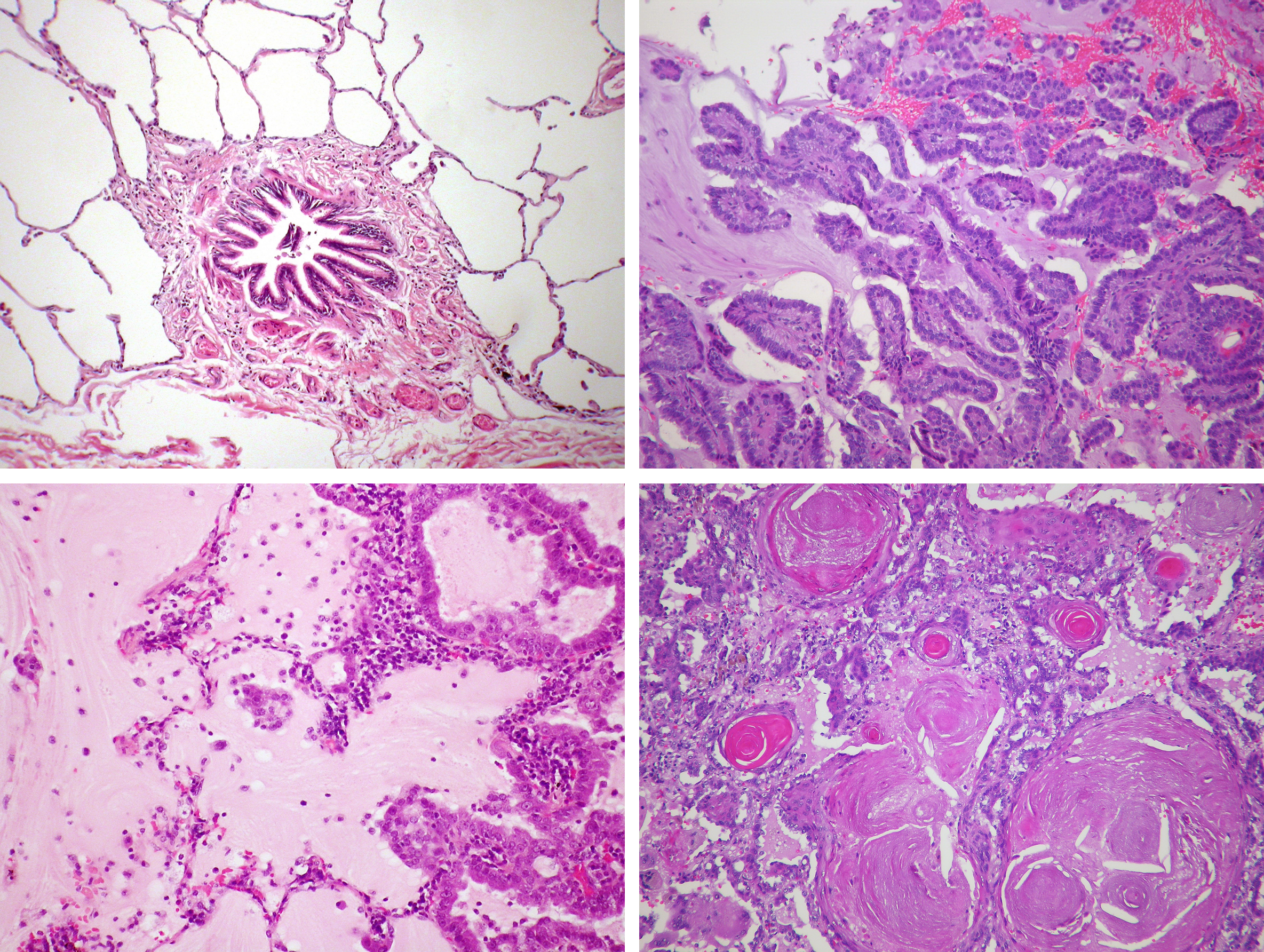
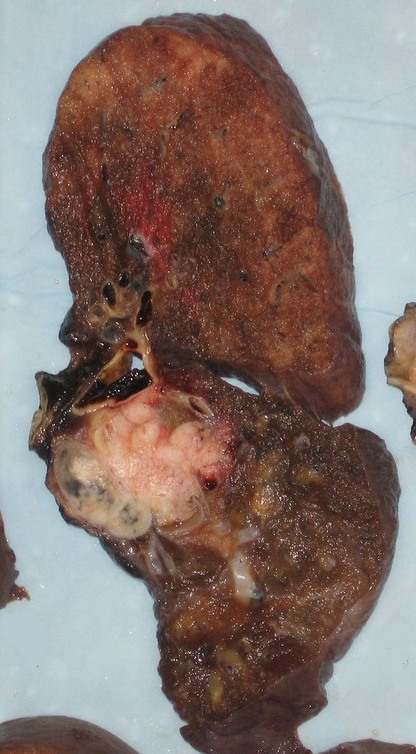
CT characterizes size, growth, solid/subsolid pattern and location. PET-CT helps stage or assess larger nodules. Tissue may come from bronchoscopy/EBUS, CT-guided biopsy or surgery.
Pros, cons and controversy
LDCT saves lives but creates nodule anxiety.
False positives, incidental findings, radiation, overdiagnosis and downstream biopsies are real. The benefit is strongest when screening stays within high-risk criteria and follows structured nodule protocols.
Sources and trials