is the classic risk.
Symptoms, risk, screening and diagnostic confirmation
Detect Mesothelioma is about choosing the right test for the right risk.
A mesothelioma detection guide covering asbestos exposure, pleural effusion, chest pain, breathlessness, CT, PET-CT, thoracoscopy, cytology and biopsy.
fluid around the lung is common.
shows pleural thickening/nodularity.
usually required.
Brief outline
What mesothelioma means.
Mesothelioma is a cancer of the pleura or peritoneum, classically linked to asbestos exposure and often diagnosed late.
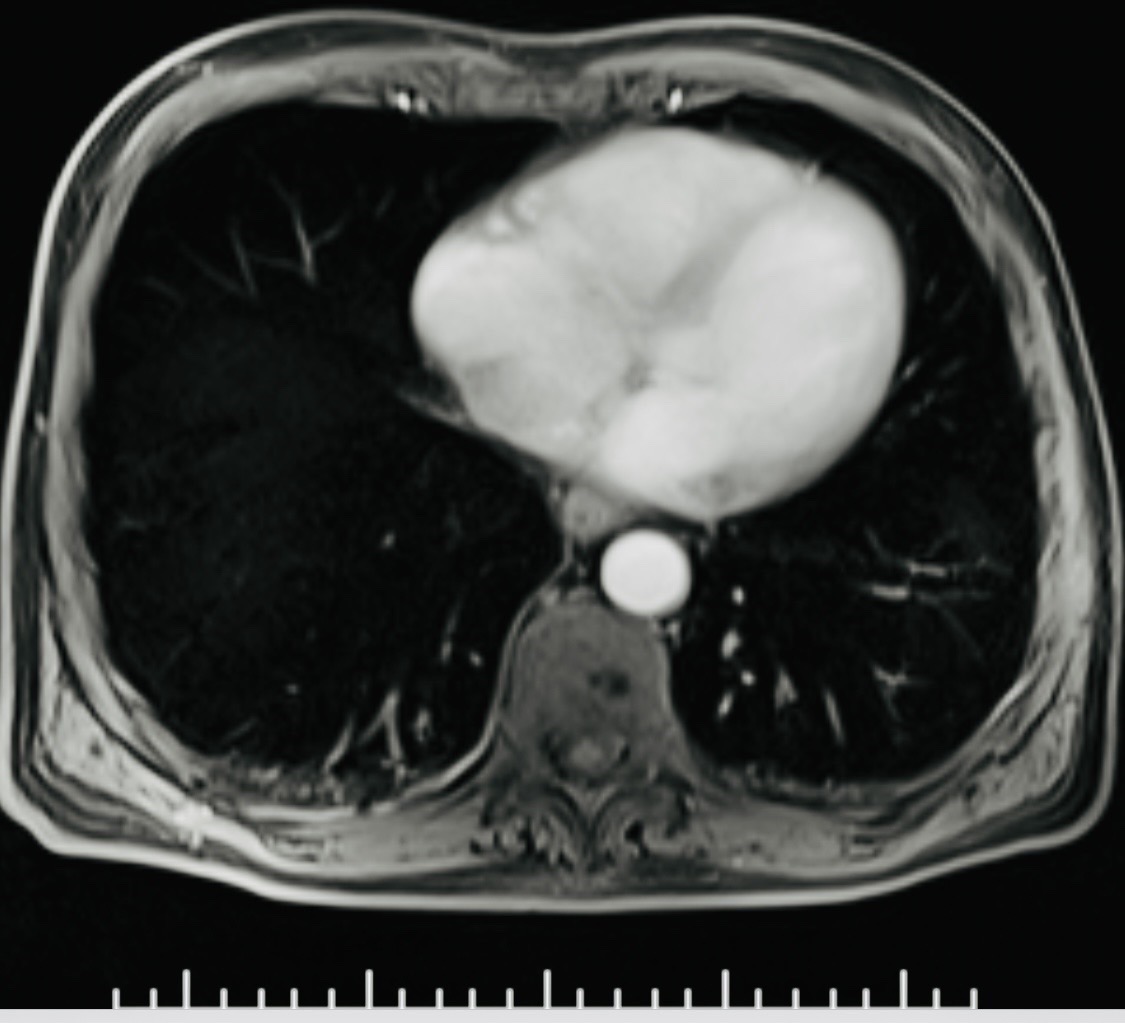
Detection frame
Screening is for people without symptoms. Diagnosis is for symptoms, abnormal examination, family history, imaging findings or abnormal labs. The same test can be sensible in one setting and misleading in another.
Do not ignore
Symptoms and signs not to ignore.
Risk and genetics
Demographics, risks and genetics.
Screening
Who should actually be screened?
No population screening program is established. Some exposed cohorts may have surveillance, but evidence is limited.
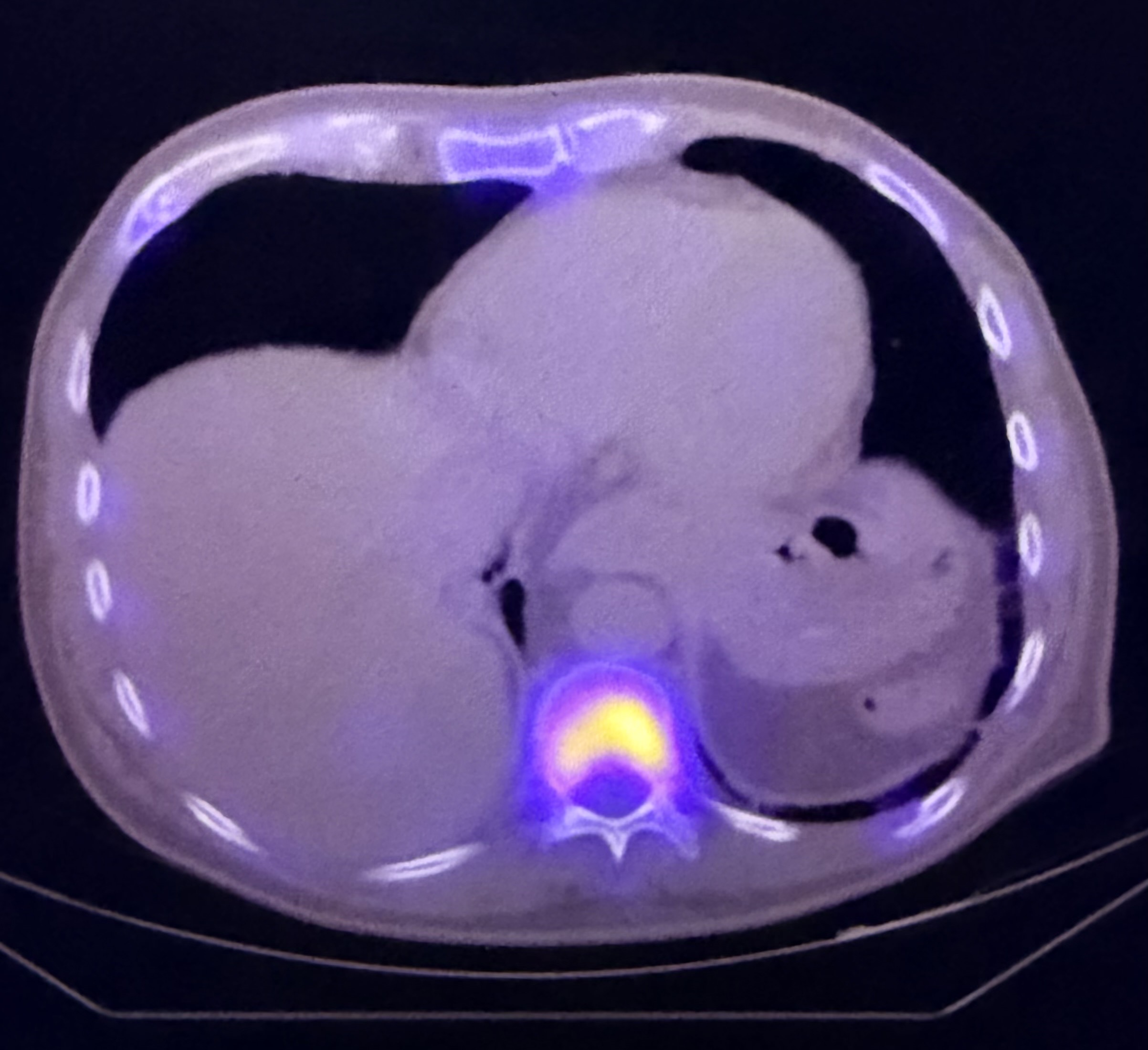
Chest x-ray/CT
CT better defines pleural thickening, nodules and effusion.
Pleural fluid cytology
Can help but often misses mesothelioma.
Thoracoscopy/pleural biopsy
Usually needed for diagnosis and subtype.
PET-CT
Can assess extent and biopsy targets.
Mesothelin/fibulin research
Not a reliable broad screening answer.
Assuming infection
Persistent unilateral effusion needs follow-up.
Images, labs and tissue
Useful tests and what they can miss.
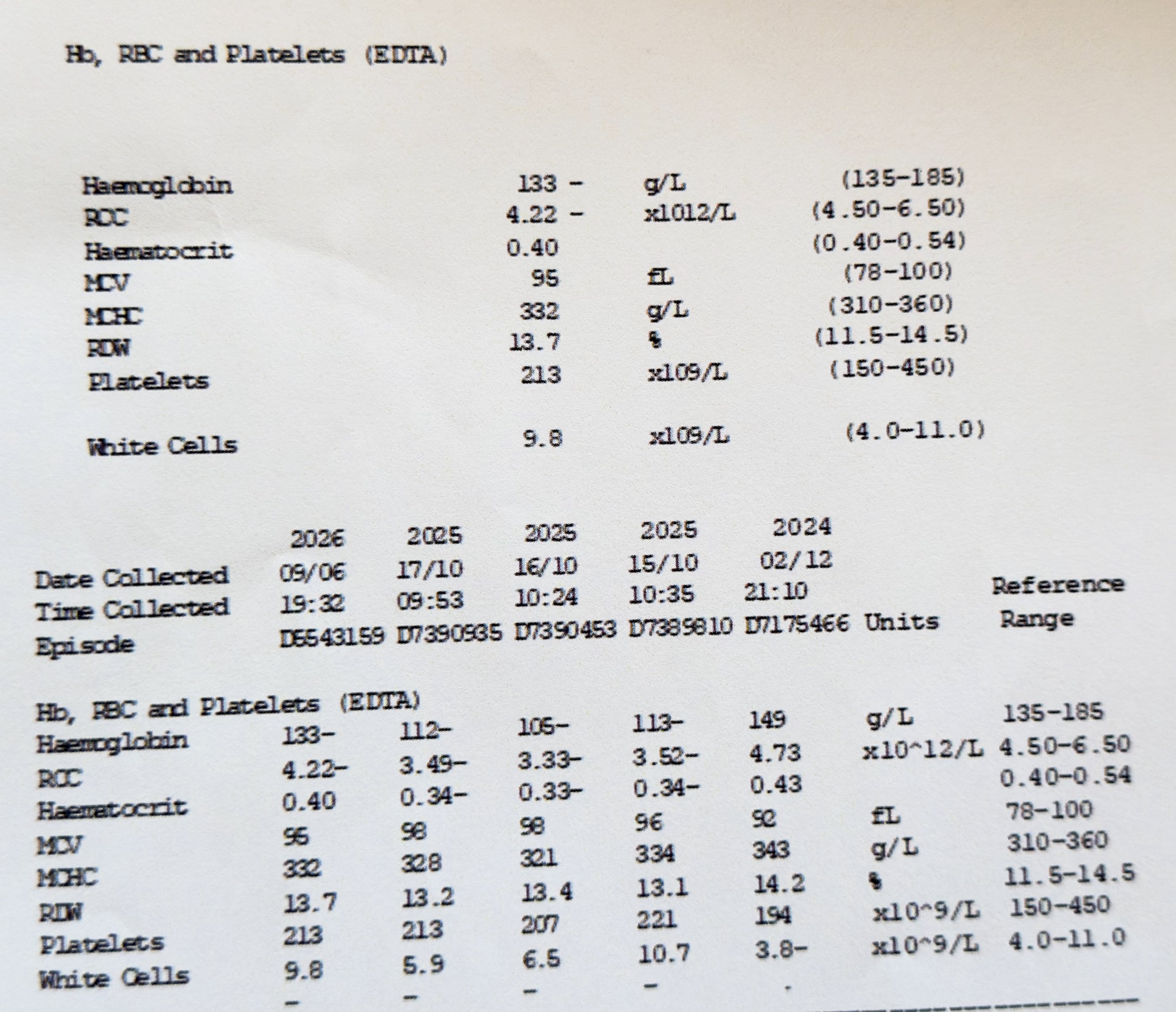
Detection usually needs a chain: suspicion, imaging or lab triage, tissue or cytology when needed, then pathology and molecular testing where it changes management.
Pros, cons and controversy
Benefits, harms and the false-positive problem.
The hard part is latency and nonspecific symptoms. Screening all exposed people with scans can create incidental findings, but persistent effusion should not drift.
Sources and trials