often gives the first clue.
Symptoms, risk, screening and diagnostic confirmation
Detect Myelofibrosis is about choosing the right test for the right risk.
A myelofibrosis detection guide covering anemia, abnormal blood counts, enlarged spleen, blood film, bone marrow biopsy and driver mutations.
enlargement can cause fullness.
biopsy shows fibrosis.
JAK2, CALR and MPL are key drivers.
Brief outline
What myelofibrosis means.
Myelofibrosis is a myeloproliferative neoplasm where scar-like fibrosis in the marrow disrupts blood production and can enlarge the spleen.
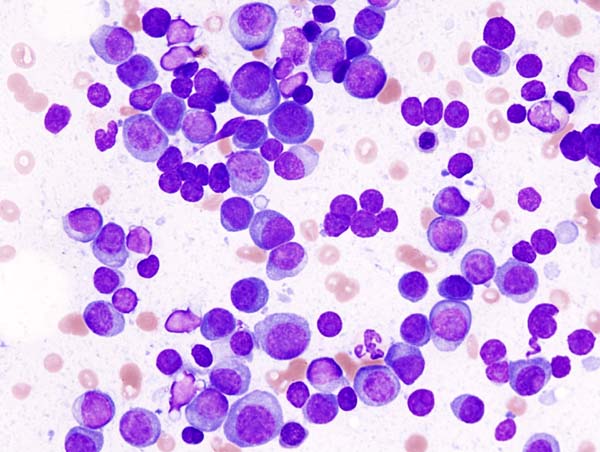
Detection frame
Screening is for people without symptoms. Diagnosis is for symptoms, abnormal examination, family history, imaging findings or abnormal labs. The same test can be sensible in one setting and misleading in another.
Do not ignore
Symptoms and signs not to ignore.
Risk and genetics
Demographics, risks and genetics.
Screening
Who should actually be screened?
There is no population screening program. Detection is driven by CBC abnormalities, spleen findings or symptoms.
CBC and differential
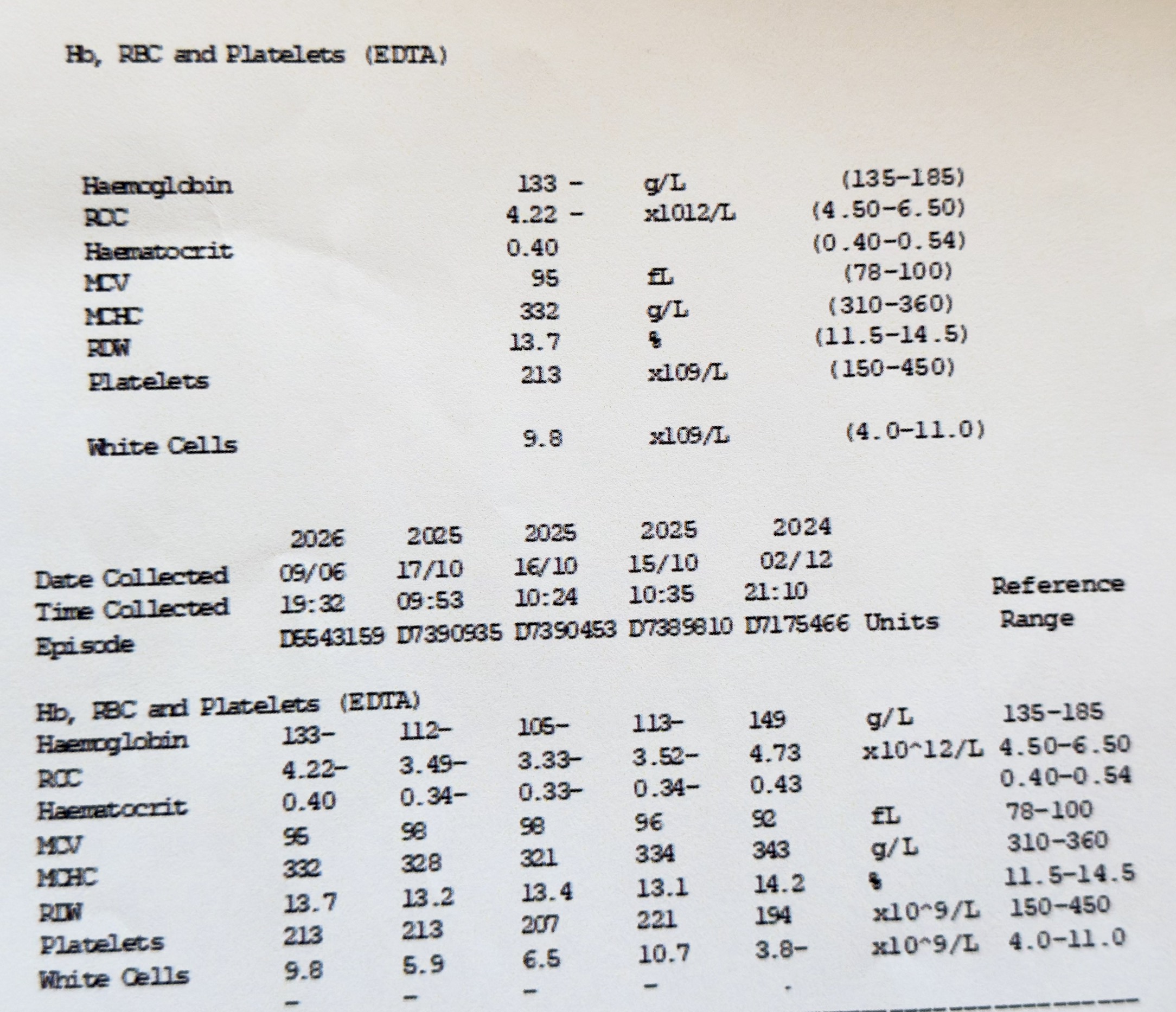
Anemia, abnormal platelets and white cells raise suspicion.
Blood film
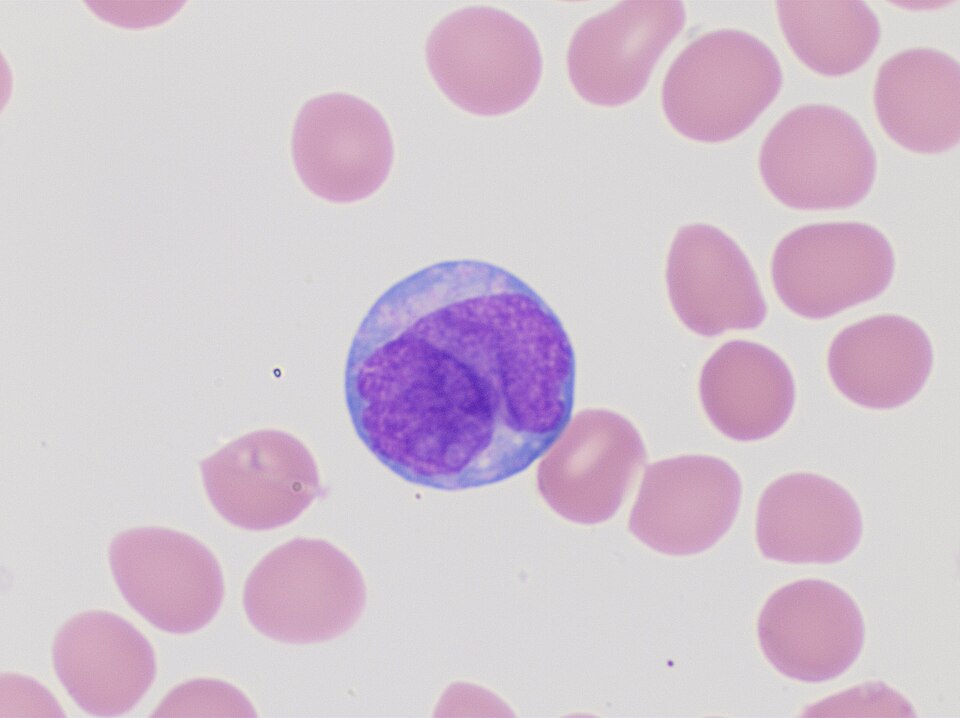
Tear-drop cells and leukoerythroblastosis are clues.
Spleen assessment
Exam or ultrasound/CT can show splenomegaly.
Bone marrow biopsy
Assesses fibrosis, megakaryocytes and blasts.
JAK2/CALR/MPL and NGS
Supports diagnosis and risk stratification.
Mild count changes
Need context; infection, iron deficiency and inflammation can confuse the picture.
Images, labs and tissue
Useful tests and what they can miss.
Detection usually needs a chain: suspicion, imaging or lab triage, tissue or cytology when needed, then pathology and molecular testing where it changes management.
Pros, cons and controversy
Benefits, harms and the false-positive problem.
The benefit is catching a serious marrow disease before complications. The harm is over-reading mild nonspecific CBC changes without repeat testing and context.
Sources and trials