average-risk screening has not reduced mortality convincingly.
Symptoms, risk, screening and diagnostic confirmation
Detect Ovarian Cancer is about choosing the right test for the right risk.
An ovarian cancer detection guide covering bloating, pelvic symptoms, CA-125, transvaginal ultrasound, BRCA/Lynch risk, CT and tissue confirmation.
useful in context, weak alone.
helps characterize adnexal masses.
BRCA/Lynch risk changes prevention.
Brief outline
What ovarian cancer means.
Ovarian, fallopian tube and primary peritoneal cancers are often grouped because high-grade serous cancers may start in the tube.

Detection frame
Screening is for people without symptoms. Diagnosis is for symptoms, abnormal examination, family history, imaging findings or abnormal labs. The same test can be sensible in one setting and misleading in another.
Do not ignore
Symptoms and signs not to ignore.
Risk and genetics
Demographics, risks and genetics.
Screening
Who should actually be screened?
Average-risk screening with CA-125 and ultrasound is not recommended in many guidelines because false positives and surgeries can outweigh benefit. High-risk genetics is different.
Pelvic exam
Can find masses but misses many cancers.
CA-125
Can rise in ovarian cancer and many benign conditions.
Transvaginal ultrasound
Characterizes ovarian/adnexal masses.
CT abdomen/pelvis/chest
Assesses spread when cancer suspected.
BRCA/Lynch testing
Can alter prevention and family testing.
Screening panels
More detection is not automatically fewer deaths.
Images, labs and tissue
Useful tests and what they can miss.
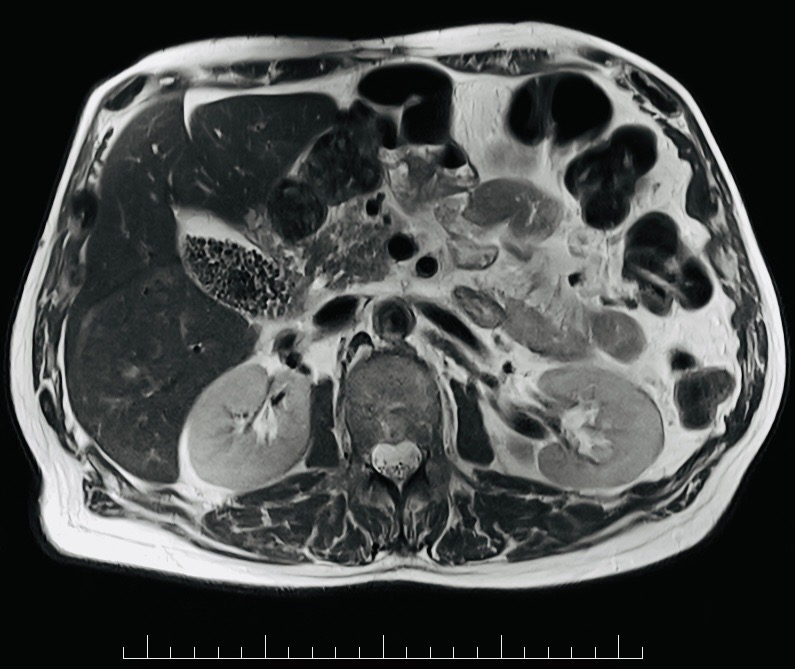
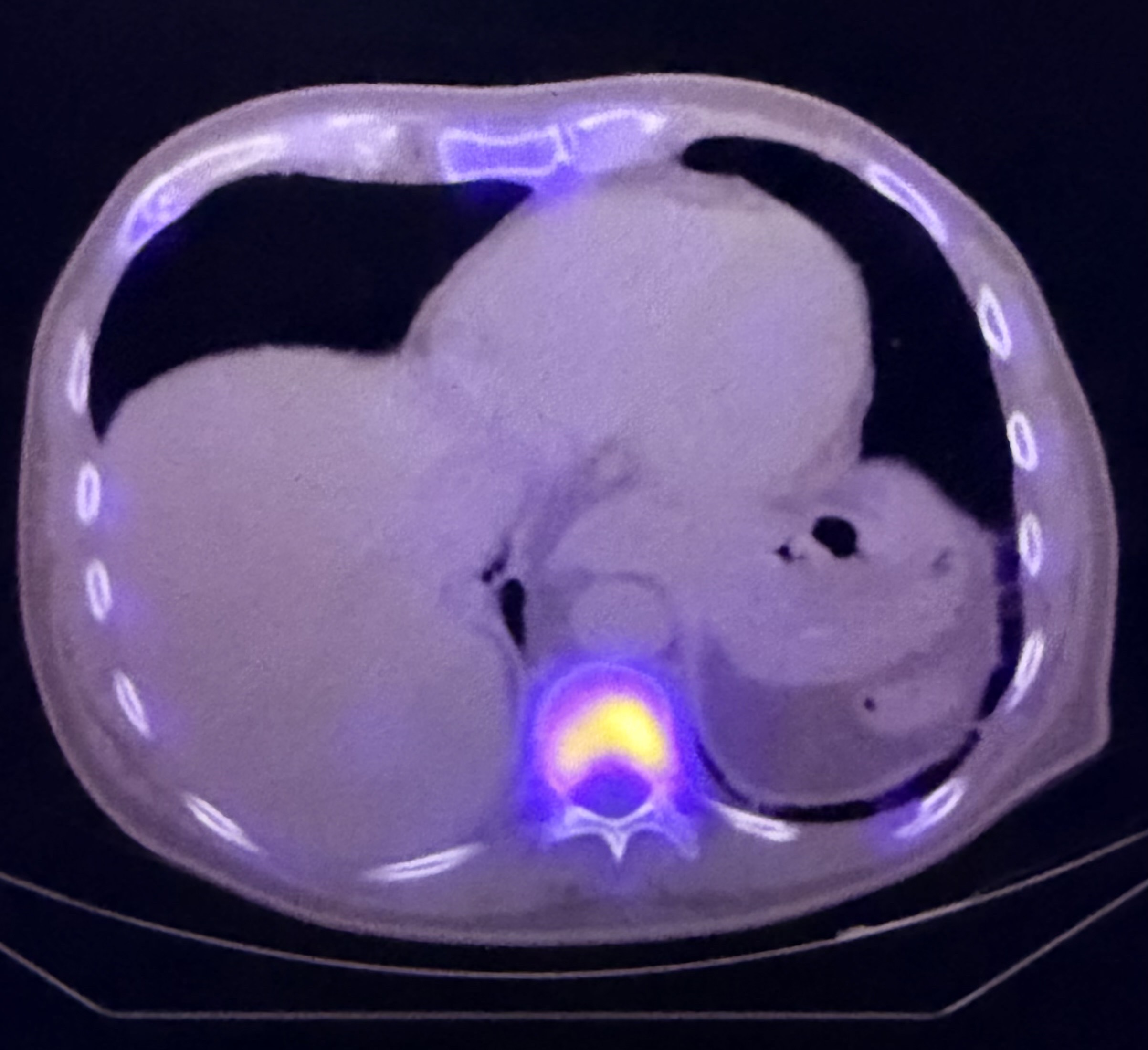
Detection usually needs a chain: suspicion, imaging or lab triage, tissue or cytology when needed, then pathology and molecular testing where it changes management.
Pros, cons and controversy
Benefits, harms and the false-positive problem.
This is one of the hardest screening problems: symptoms are vague, blood tests are imperfect, and ultrasound can lead to surgery for benign cysts.
Sources and trials